Tile vs Paint: Which One Actually Delivers Better Value?
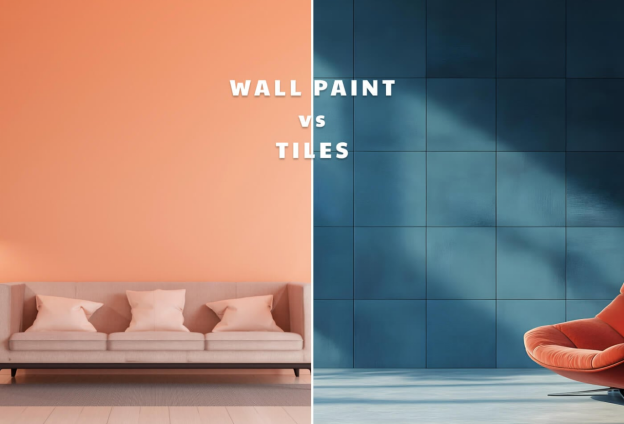
When it comes to finishing walls and surfaces, tile and paint often sit at opposite ends of the decision spectrum. Paint promises speed and affordability, while tile signals durability and design intent. The real question for homeowners, landlords, and renovators is not which looks better, but which delivers long-term value.
This guide takes a performance-driven, ROI-first approach to compare tile vs paint across cost, lifespan, maintenance, aesthetics, and resale impact, helping you make a future-ready decision that aligns with modern living standards.
1. Upfront Cost vs Long-Term Investment
At face value, paint appears to be the clear winner in terms of cost. However, value is not just about what you pay today—it’s about what you avoid paying tomorrow.
Paint (Short-Term Win):
- Lower initial material and labor costs
- Faster application and drying time
- Budget-friendly for quick refreshes
Tile (Long-Term Advantage):
- Higher upfront cost
- Minimal need for replacement
- Better resistance to wear, moisture, and stains
Strategic takeaway: Paint optimizes short-term cash flow. Tile optimizes lifecycle cost. From a value-engineering standpoint, tile often outperforms paint over a 10–20 year horizon.
2. Durability and Performance Under Real-World Use
Durability is where the value equation starts to tilt decisively.
Painted surfaces are vulnerable to:
- Scratches and scuffs
- Moisture damage
- Peeling and fading over time
Tile surfaces are engineered to handle:
- High traffic and impact
- Heat and humidity
- Frequent cleaning without degradation
In performance-critical spaces such as kitchens, bathrooms, and utility areas, tile operates as a set-it-and-forget-it solution, reducing ongoing maintenance costs.
3. Moisture Resistance and Hygiene (Bathrooms & Wet Areas)
Bathrooms expose materials to steam, water splashes, and temperature fluctuations—conditions where paint struggles to compete.
Paint in wet areas often leads to:
- Mold growth
- Bubbling or peeling
- Frequent repainting cycles
Tile offers:
- Non-porous, water-resistant surfaces
- Improved hygiene
- Long-term visual consistency
This is especially true for areas like showers, where purpose-built buy shower tiles provide both functional protection and design flexibility, making them a smarter value play in moisture-heavy environments.
4. Maintenance Costs and Effort Over Time
Maintenance is an often-overlooked cost driver.
Paint maintenance reality:
- Touch-ups every 1–3 years
- Full repainting every 4–6 years
- Ongoing labor and disruption
Tile maintenance reality:
- Occasional grout cleaning
- Rare replacement
- Minimal surface upkeep
Over time, tile shifts from a capital expense to a low-cost asset, while paint remains a recurring operational expense.
5. Design Longevity and Visual Impact
Paint trends evolve rapidly, which can work against long-term value.
Paint:
- Easier to change
- Faster to feel outdated
- Less tactile and dimensional
Tile:
- Timeless finishes (stone, ceramic, porcelain)
- Texture and depth that elevate interiors
- Strong alignment with modern architectural trends
With the ability to shop tiles online, property owners now have access to curated, trend-forward options that balance aesthetic longevity with cost efficiency—making tile a strategic design investment, not just a decorative choice.
6. Value in Kitchens and High-Visibility Areas
Kitchens are ROI powerhouses, and material selection plays a direct role in perceived value.
Painted kitchen walls:
- Show grease stains easily
- Require frequent cleaning and repainting
Tiled kitchens:
- Improve durability behind sinks and stoves
- Elevate resale appeal
- Align with current buyer expectations
According to leading kitchen renovation design trends, tiled backsplashes and walls consistently rank among the highest-impact upgrades, delivering both functional resilience and visual credibility.
7. Resale Value and Buyer Perception
From a market perspective, buyers associate tile with:
- Quality construction
- Lower future maintenance
- Premium finishing standards
Painted surfaces, while clean, often signal:
- Temporary solutions
- Upcoming maintenance needs
In resale scenarios, tile does not just hold value—it communicates value, influencing buyer confidence and perceived property quality.
8. When Paint Still Makes Sense
To stay commercially pragmatic, paint does have valid use cases:
- Low-traffic rooms (bedrooms, offices)
- Short-term rental refreshes
- Accent walls for quick visual updates
The optimal strategy is not tile or paint—it’s intentional placement based on performance demands and lifecycle value.
Final Verdict: Which Delivers Better Value?
If value is defined as cost efficiency over time, durability, and resale impact, tile consistently outperforms paint—especially in high-use, high-visibility, and moisture-prone areas.
Paint remains a flexible, low-cost option for temporary or low-stress applications. Tile, however, operates as a long-term asset that compounds value through reduced maintenance, stronger aesthetics, and market alignment.
Keep an eye for more latest news & updates on Wheonx!









Post Comment